Enterprise IT Infrastructure — Saudi Arabia & GCC
+966 59 311 7135
[email protected]

 🔍 Click to zoom
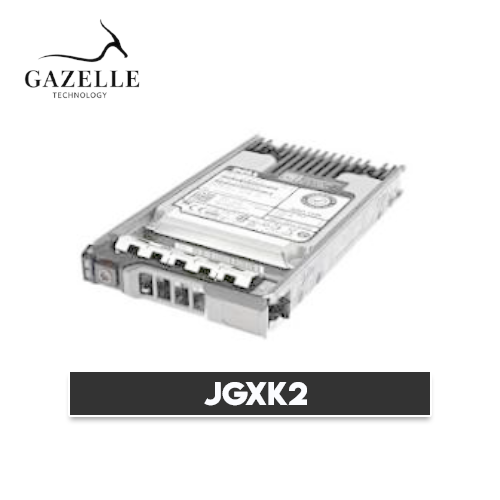
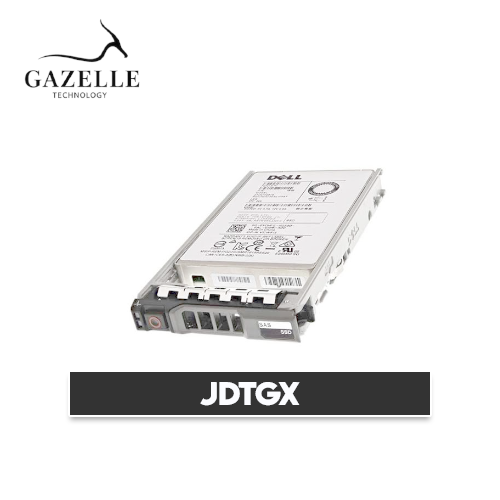
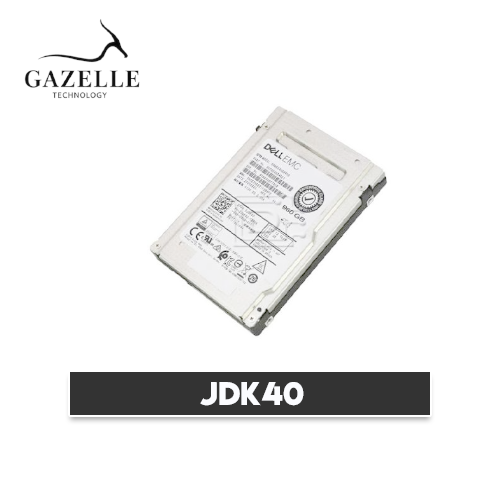
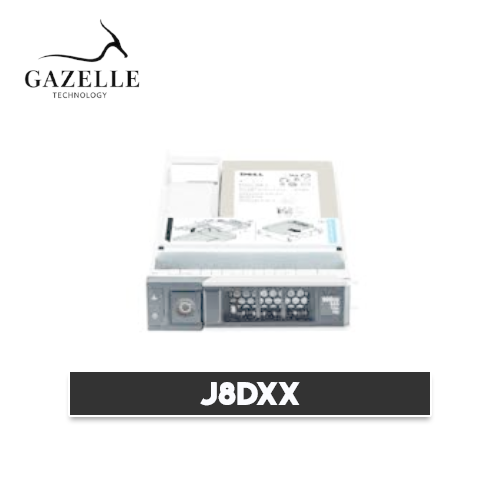
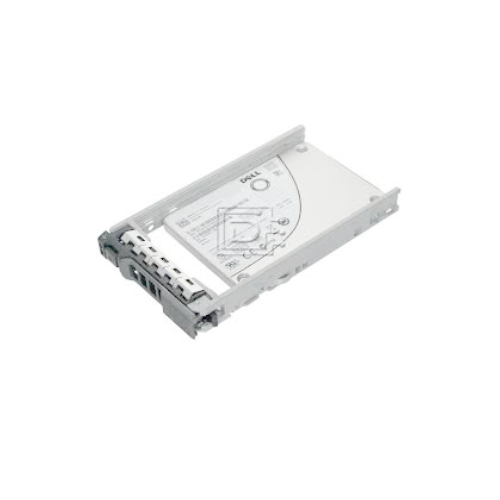
400-APCV – Dell 1.6TB MLC SATA 6Gb/s 2.5-Inch Solid State Drive
The Dell 400-APCV 1.6TB Solid State Drive (SSD) is a high-capacity enterprise storage solution engineered for Dell PowerEdge servers and modern data center environments. Featuring a SATA 6Gb/s interface and Multi-Level Cell (MLC) NAND flash technology, this SSD delivers dependable performance, low latency, and enterprise-grade endurance for business-critical workloads.
Built in a compact 2.5-inch Small Form Factor (SFF), the drive significantly improves application responsiveness and data access speeds compared to traditional hard disk drives. The MLC NAND architecture offers enhanced write endurance, consistent performance, and long-term reliability, making it ideal for enterprise environments that require dependable flash storage.
With a storage capacity of 1.6TB, the Dell 400-APCV SSD is well-suited for virtualization platforms, enterprise databases, cloud infrastructure, analytics applications, business systems, and other workloads that benefit from high-capacity solid-state storage.
Model Type
Internal Enterprise SSD — 2.5″ SATA (6Gb/s, MLC NAND)
Category
Storage — Enterprise Solid State Drive (SSD)
Key Features
1.6TB Storage Capacity — High-capacity enterprise flash storage
Multi-Level Cell (MLC) NAND Technology — Enhanced endurance and reliability
SATA 6Gb/s Interface — Cost-effective and widely compatible connectivity
2.5-Inch Small Form Factor — Optimized for dense server deployments
Low Latency Performance — Faster access than traditional HDDs
Enterprise-Class Reliability — Designed for continuous 24/7 operation
Energy-Efficient Design — Reduced power consumption and heat generation
Optimized for Enterprise and Data Center Workloads
Technical Specifications
Specification Details
Model 400-APCV
Capacity 1.6TB
Drive Type Solid State Drive (SSD)
Flash Type Multi-Level Cell (MLC) NAND
Interface SATA 6Gb/s
Form Factor 2.5″ SFF
Compatibility Dell PowerEdge Servers & Storage Systems
Usage Class Enterprise Flash Storage
Lead Time 4–6 Business Days
Typical Use Cases
Enterprise database servers
Virtualization environments
Cloud infrastructure deployments
Business applications
Analytics platforms
Backup and recovery systems
High-performance enterprise storage
Pricing for the 400-APCV is quoted on request. Send the quantity you need through the quote form on this page and our team responds with current pricing and lead time.
Yes, the 400-APCV is listed as in stock. Confirm current availability for your quantity when you request a quote.
Yes. Al-Gazelle is an authorized distributor and supplies genuine Dell hardware with full manufacturer warranty.
Yes. We ship across the GCC — Saudi Arabia, the UAE, Qatar, Kuwait, Bahrain and Oman.