Enterprise IT Infrastructure — Saudi Arabia & GCC
+966 59 311 7135
[email protected]

 🔍 Click to zoom
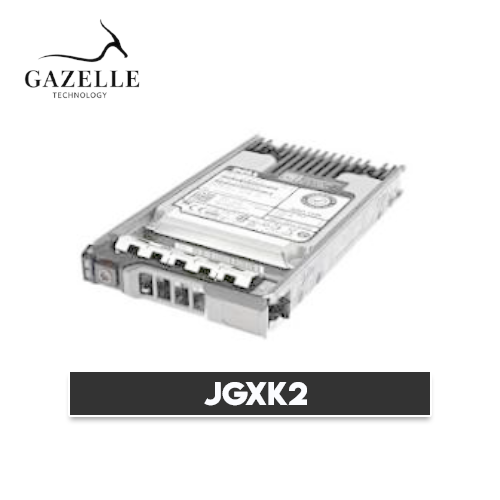
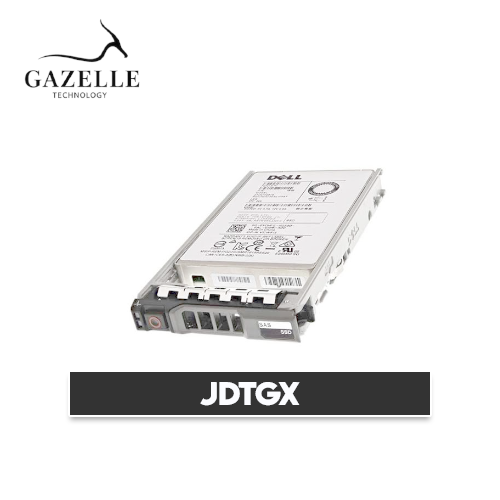
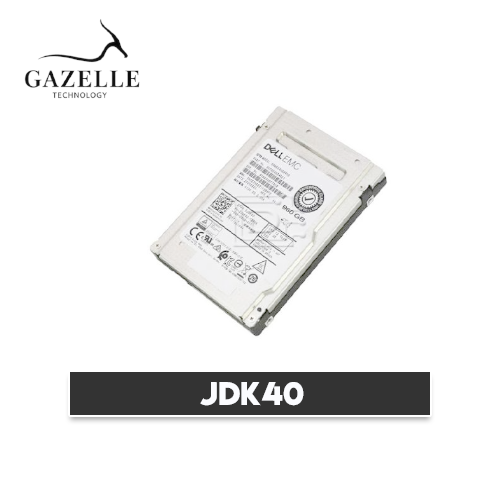
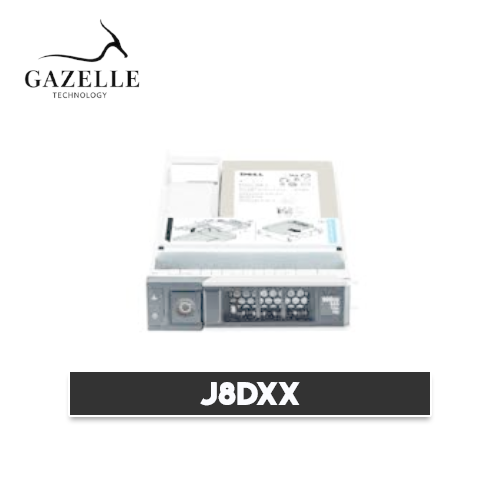
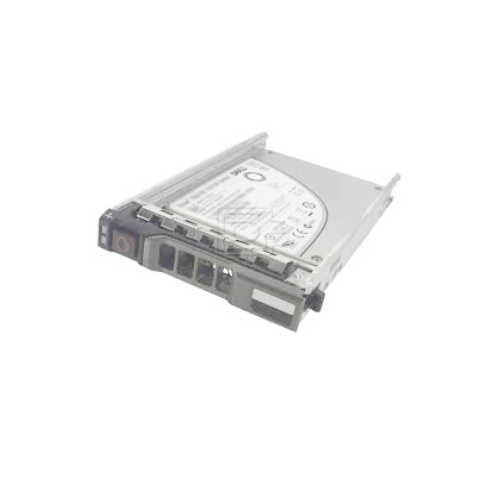
342-6137 – Dell 1.6TB MLC SAS 6Gb/s 2.5-Inch Solid State Drive
The Dell 342-6137 1.6TB SAS Solid State Drive (SSD) is a high-capacity, enterprise-class storage solution engineered for performance, reliability, and scalability in modern data center environments. Utilizing MLC (Multi-Level Cell) NAND flash technology and a SAS 6Gb/s interface, this SSD delivers fast data access, consistent throughput, and enhanced endurance for demanding workloads.
Designed in a 2.5-inch small form factor (SFF), this drive is ideal for high-density server configurations where space optimization and performance are critical. The SAS interface provides superior reliability and advanced data handling capabilities, making it suitable for mission-critical applications and enterprise storage systems.
With its solid-state architecture, the drive offers low latency, improved system responsiveness, and reduced power consumption compared to traditional HDDs. It is an excellent choice for virtualization, database environments, and mixed-use enterprise workloads.
Model Type:
Internal Enterprise SSD — 2.5″ SAS (6Gb/s, MLC NAND)
Category:
Storage — Enterprise Solid State Drive (SSD)
Key Features:
1.6TB Capacity — High-capacity storage for enterprise workloads
MLC NAND Flash — Balanced performance and endurance
SAS 6Gb/s Interface — Reliable, high-speed data transfer
2.5-Inch SFF Design — Optimized for dense server deployments
Low Latency Performance — Faster access and improved responsiveness
Solid-State Reliability — No moving parts for enhanced durability
Enterprise-Class Design — Built for continuous 24/7 operation
Efficient Power Consumption — Lower energy usage than HDDs
Scalable & Flexible — Ideal for RAID and virtualization environments
Technical Specifications:
Specification Details
Model 342-6137
Capacity 1.6TB
Drive Type Internal SSD
Interface SAS 6Gb/s
NAND Type MLC (Multi-Level Cell)
Form Factor 2.5″ (SFF)
Workload Type Enterprise / Mixed Use / High Performance
Compatibility Dell PowerEdge Servers & Storage Systems
Lead Time 4–6 Business Days
Typical Use Cases:
Virtualization platforms
Enterprise database systems
High-performance computing environments
Mixed read/write workloads
Data centers requiring scalable, low-latency storage
Pricing for the 342-6137 is quoted on request. Send the quantity you need through the quote form on this page and our team responds with current pricing and lead time.
Yes, the 342-6137 is listed as in stock. Confirm current availability for your quantity when you request a quote.
Yes. Al-Gazelle is an authorized distributor and supplies genuine Dell hardware with full manufacturer warranty.
Yes. We ship across the GCC — Saudi Arabia, the UAE, Qatar, Kuwait, Bahrain and Oman.